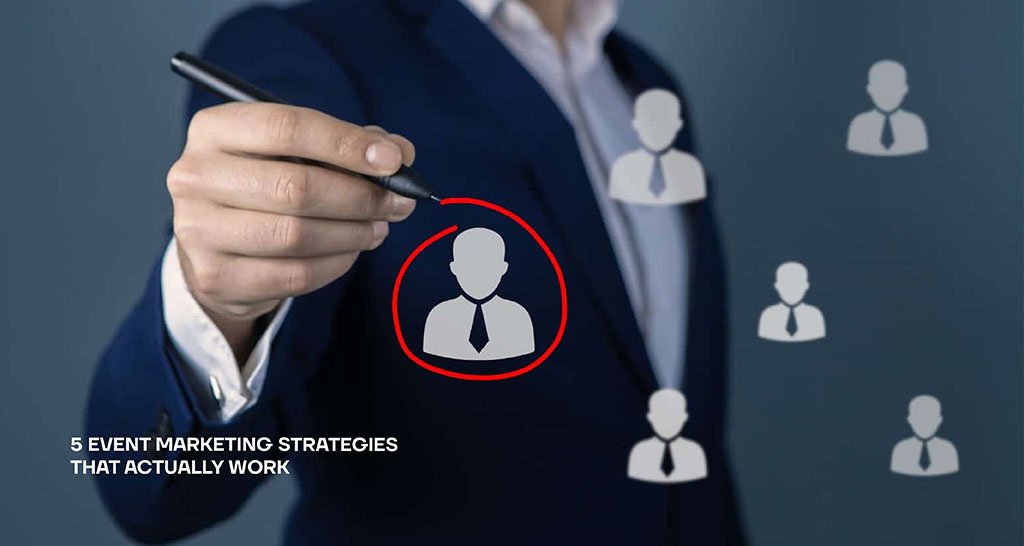
Event marketing plays a crucial role in a business’s strategy to engage potential customers, foster relationships, and enhance brand visibility. Nevertheless, the successful organization and execution of an event that truly resonates with your target audience necessitate more than merely distributing invitations and wishing for favorable outcomes. To guarantee that your event is distinctive and meets its objectives, consider the following five effective strategies for event marketing.
- Leverage Social Media to Build Buzz
In the contemporary digital landscape, social media serves as a formidable instrument for marketing events. Platforms such as Instagram, Twitter, LinkedIn, and Facebook enable direct engagement with your target audience, fostering anticipation prior to the event. Initiate your promotional efforts several weeks or even months ahead by sharing teasers, behind-the-scenes insights, and captivating visuals that attract potential attendees.
- Create Engaging Content Before, During, and After the Event
Content marketing is essential for maintaining audience engagement and interest in your event. Prior to the event, consider producing blogs, videos, or infographics that provide prospective attendees with valuable insights or previews of what they can anticipate. Additionally, highlighting key speakers, performers, or special guests in your content in the lead-up to the event can further enhance interest.
Throughout the event, utilize live blogs, videos, and interactive question-and-answer sessions to ensure that attendees remain informed and engaged. Additionally, you may motivate participants to share their experiences on social media by employing event-specific hashtags.
- Offer Early Bird and Exclusive Incentives
Individuals appreciate the sensation of being unique, and providing exclusive incentives can significantly enhance the appeal of your event. Implementing early bird tickets has been shown to effectively boost initial sales while simultaneously rewarding those who make early commitments. Additionally, you may consider granting exclusive access, discounts, or special benefits to VIP guests or to attendees who promote your event on social media platforms.
- Collaborate with Influencers and Industry Leaders
Collaborating with influencers or prominent figures in the industry is a highly effective strategy for enhancing credibility and drawing in new participants. Influencers can elevate the visibility of your event by sharing it with their audience via blog articles, social media posts, or personal appearances at the event. Their endorsement acts as a mark of validation, fostering greater trust within your intended audience.
- Focus on Experiential Marketing
Experiential marketing enables participants to engage with your brand on a deeper and more immersive level. By crafting unforgettable experiences at your event, you can ensure a lasting impact on your audience. Incorporating interactive booths, live demonstrations, hands-on workshops, or virtual reality experiences can captivate attendees and present your brand in a distinctive manner.
Conclusion
Effective event marketing necessitates a blend of innovation, strategic planning, and active participation. By utilizing social media platforms, developing captivating content, providing incentives, partnering with influencers, and emphasizing experiential marketing, one can organize events that resonate with attendees and foster significant connections with the audience. The application of these strategies will not only enable you to conduct unforgettable events but also transform them into impactful marketing assets for your brand.